
The Rural Brain Health Roadshow
Healthy Brains.
Wiser Communities.
Better Futures.
Nurture Better Futures brings clear, practical brain health and younger onset dementia education to regional Western Australian communities.
Our AAA Framework
Awareness. Acceptance. Action.
The AAA Framework sits at the centre of everything we teach. It moves people from noticing what is happening, through honest acceptance, and into useful action.
A
Awareness
Notice what is happening. Learn the signs and understand the factors that can affect brain health.
- Recognise persistent or progressive changes
- Understand possible health, lifestyle, injury and environmental influences
- Know when a change needs proper investigation
A
Acceptance
Acknowledge change without shame, blame or denial. You do not have to face it alone.
- Take concerns seriously without jumping to conclusions
- Listen to the person and those who know them well
- Accept support while protecting dignity and choice
A
Action
Do something useful: ask questions, seek assessment, reduce avoidable risks and use support.
- Start one supportive brain-health habit
- Reduce or stop one avoidable risk
- Investigate one change, symptom or concern
If nothing changes, nothing changes.
What we teach
Clear information people can understand and use
Our education connects the warning signs, the everyday factors that influence brain health, the pathway to assessment and the practical choices people can make next.
Warning signs
Changes in memory, language, behaviour, judgement, planning, balance, sensory processing and familiar daily tasks.
Brain-health influences
Movement, blood flow, food, sleep, stress, alcohol, smoking, hearing, connection, head injury and environmental exposure.
Stress and recovery
How ongoing overload can affect thinking and function, and why sleep, nervous-system regulation and recovery matter.
Younger onset dementia
Why dementia before 65 can look different, affect work and family life, and be missed or misunderstood.
Assessment and support
How to prepare useful examples, speak with a GP, involve a trusted person and find Australian information and family support.
A personal action plan
Every participant identifies realistic actions to start, reduce or stop, and investigate after the session.

Brain Health Roadshow
Useful information, taken to the communities that need it
Our seminars help people recognise meaningful change, understand younger onset dementia and leave with realistic actions for healthier brains, families and communities.
- Clear warning signs and assessment pathways
- Practical brain-protection habits
- Personal action planning: start, reduce or stop, investigate
- Australian support services and trusted resources
- Adaptable sessions for communities, workplaces, Men’s Sheds, sporting clubs, carers and families
- Culturally informed collaboration for Aboriginal community education
Planned regional reach: Bunbury, Collie, Narrogin, Kojonup, Katanning, Mandurah, Geraldton, Albany and other Western Australian communities—with locations and dates confirmed alongside local hosts and funding partners.
Our story
Dani and Rob Hewton
Nurture Better Futures grew from lived experience, 25 years of teaching and a determination to make brain health conversations clearer, earlier and more useful.
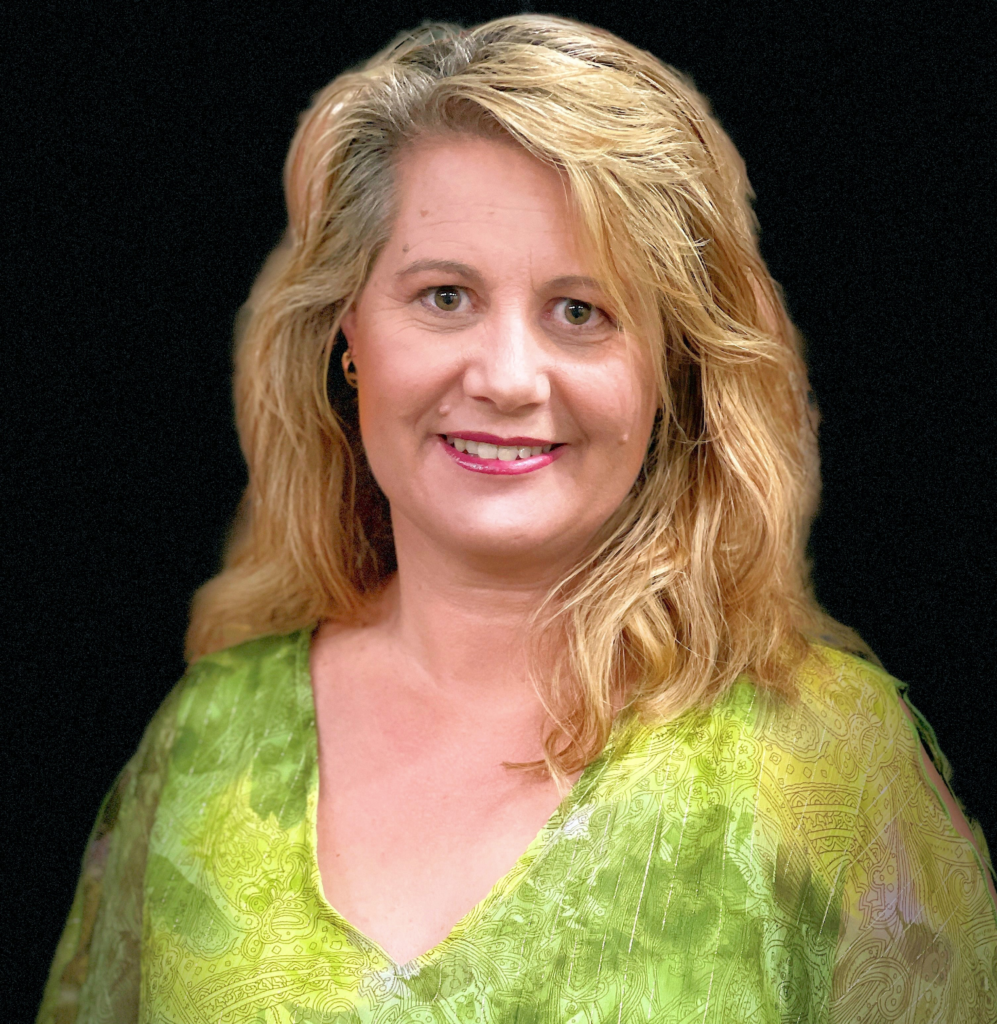
Dani Hewton
Founder, educator, clinical hypnotherapist, pain and stress therapist, and public speaker.
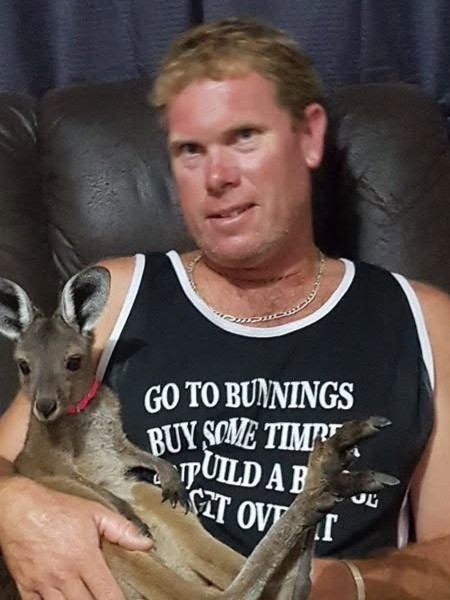
Rob Hewton
Founder and lived-experience voice for younger onset dementia awareness.
Why we speak up
Rob’s experience showed us how language, processing, behaviour and tolerance for noise can change before a family understands what is happening.
We share what we have learned so others feel less alone and seek useful help sooner.
Younger onset dementia
Dementia can affect people before 65
Changes may first show up in language, judgement, behaviour, planning, visual processing or the ability to manage familiar tasks—not only memory.
Persistent or progressive change deserves a proper assessment. A diagnosis changes life, but it does not erase the person.
Need support?
National Dementia Helpline
1800 100 500
Free, confidential information, advice and support from Dementia Australia.
Explore NBF
Learn, connect and get involved
Resources
Trusted Australian information, support pathways and practical action guides.
Help us reach more communities
Host, partner with or sponsor the Roadshow
We welcome conversations with communities, Men’s Sheds, sporting clubs, workplaces, Aboriginal organisations, local governments, funders and health services.
Stay Informed. Stay Inspired.
Together we’re building healthier brains, wiser communities,
and better futures across regional Western Australia.
Subscribe to receive Roadshow updates, educational resources, community events,
and opportunities to support brain health awareness where it’s needed most.